
Data Centers
Waste Heat to Power:
The Path to PUE 1.0
Captis is working to transform data center economics. Our novel solid state heat-to-power technology give data centers the power to reuse the power they generate while reducing cooling loads. The results can change how data centers are designed and operated.
Solid-State
Our devices are modular with no moving parts. O&M costs are minimal. Failure modes are few.
Low Temperatures
Our technology functions in temperatures below 70 C, ideally suited for data centers.
Scaleable
Our products easily scale between kW and MW. They can be adapted for different environments, footprints, or space constraints.
Reduction in data center industry average PUE.
Unique Challenges
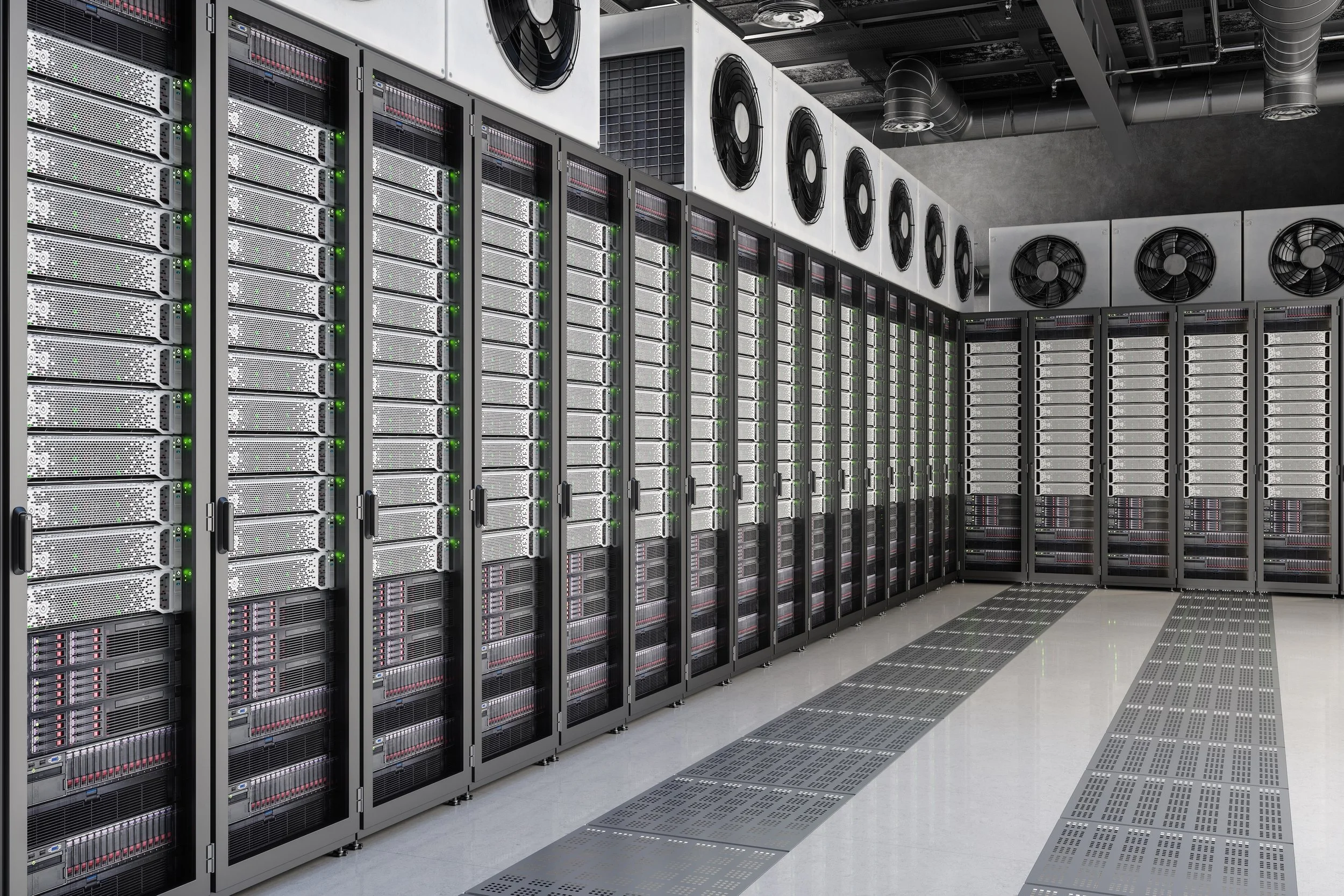
Data centers have a unique set of technical challenges to manage power consumption, compute capacity, and cooling demand. The explosion in data center growth has exacerbated these challenges and is a focus for the entire industry. Common efficiency measurements – Power Usage Efficiency (PUE), Water Usage Efficiency (WUE), et al – have been a great tool for highlighting data-center specific performance. There are many implications to having a low PUE, but there are two primary ones: (i) Facilities with low PUE are more cost effective for customers (ii) companies that take PUE seriously are the best ones to do business with and (iii) Lowering PUE leads to better facility economics.
PUE 1.0 is a noble aspiration – where total facility energy = IT Equipment energy – has always seemed to be a far-off challenge. Since its adoption we’ve seen an industry-wide decline in PUE due to investments in energy efficiency up until around a decade ago. Since then, PUE has bottomed out at around 1.3 with the most advanced operators able to reach 1.15ish through significant investment. Energy efficiency is a great investment, but it is insufficient for reaching PUE 1.0.
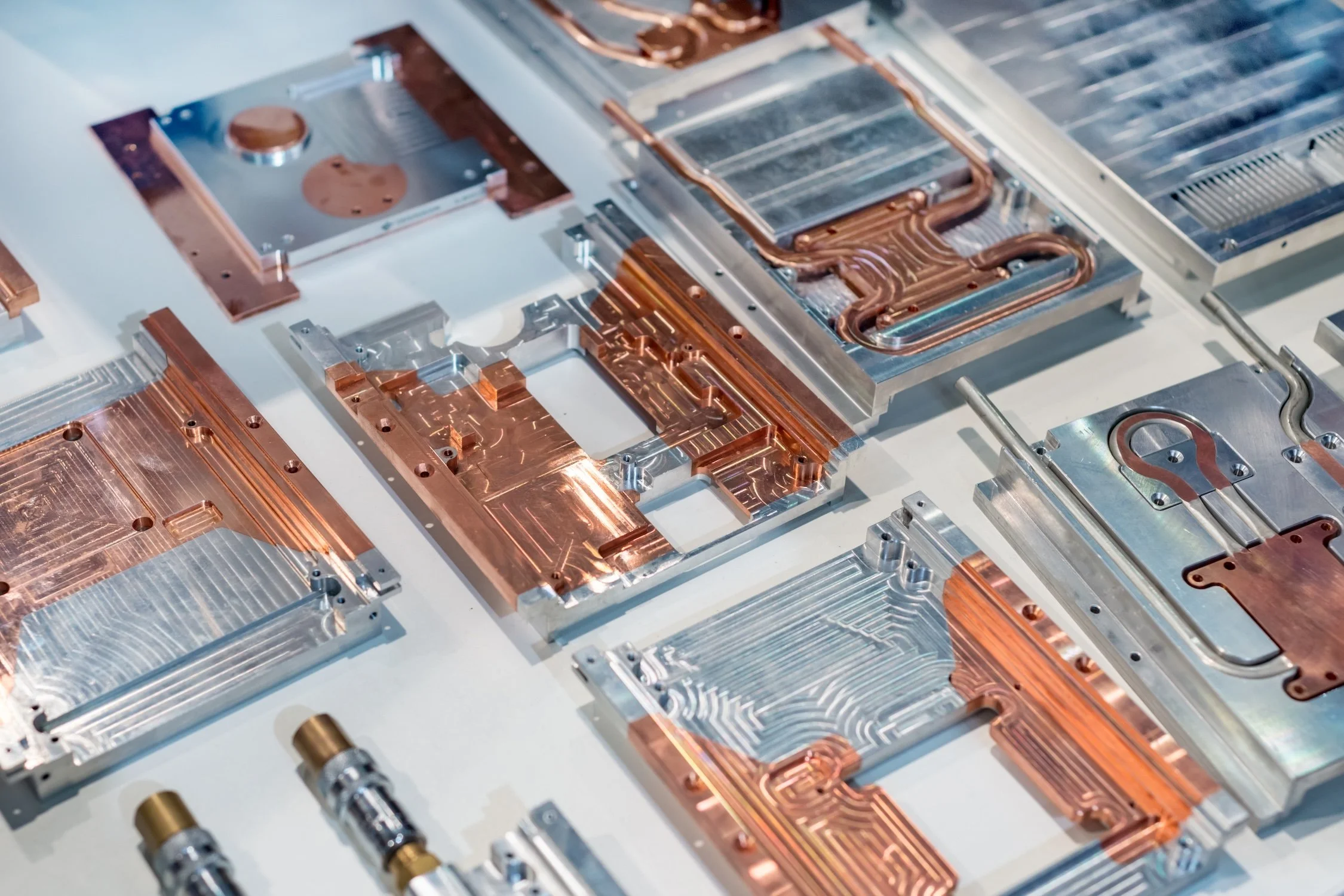
Cold plate liquid cooling designs.
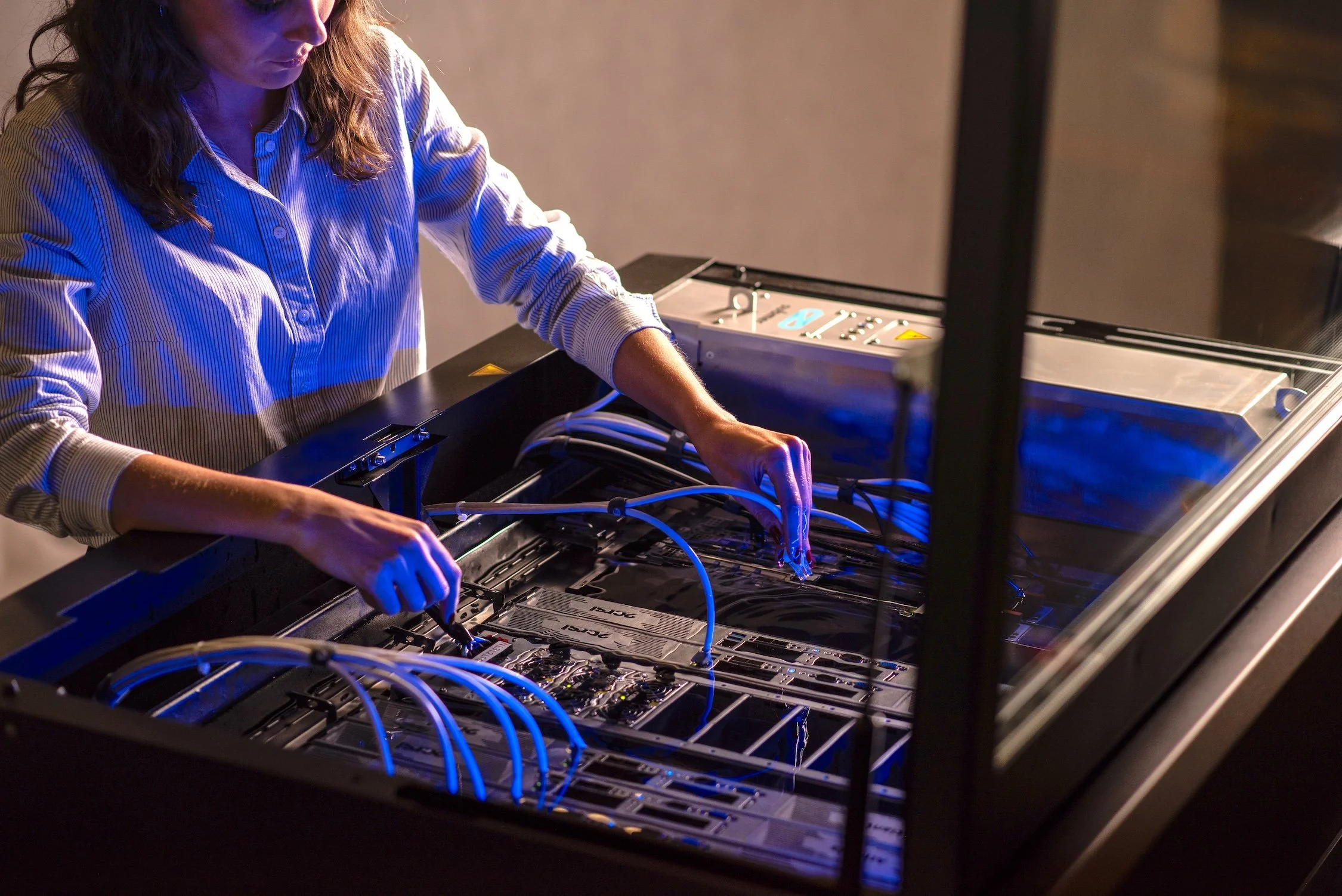
Immersion cooled server cabinet.
A New-ish Frontier
Over the last 25 years, the data center industry has had to adopt more aggressive cooling infrastructure to accommodate the rapid advancement in compute power demand. Gone are the days of 2kW server racks. 250kW racks and up are becoming the new normal. An entirely new paradigm for powering and cooling these servers was sought out to facilitate this rapid change.
The industry hasn’t been complacent. Solutions from other industries have been quickly adapted for data centers and incorporated successfully. Solutions that utilize liquid cooling fast emerged and are quickly becoming the norm. Data centers are adopting cooling techniques common to those used in the chemicals industry: industrial coolants, thermal loops, heat exchangers, and high-capacity cooling towers (of various types) are now the norm.
What is not clear is if these expanded compute demands and adapted infrastructure will lead to better overall economics. While high profile Hyperscalers have significant cash reserves to bet on this new compute frontier, more every-day colocation operators will need to manage these demands judiciously and hopefully not put themselves at risk.
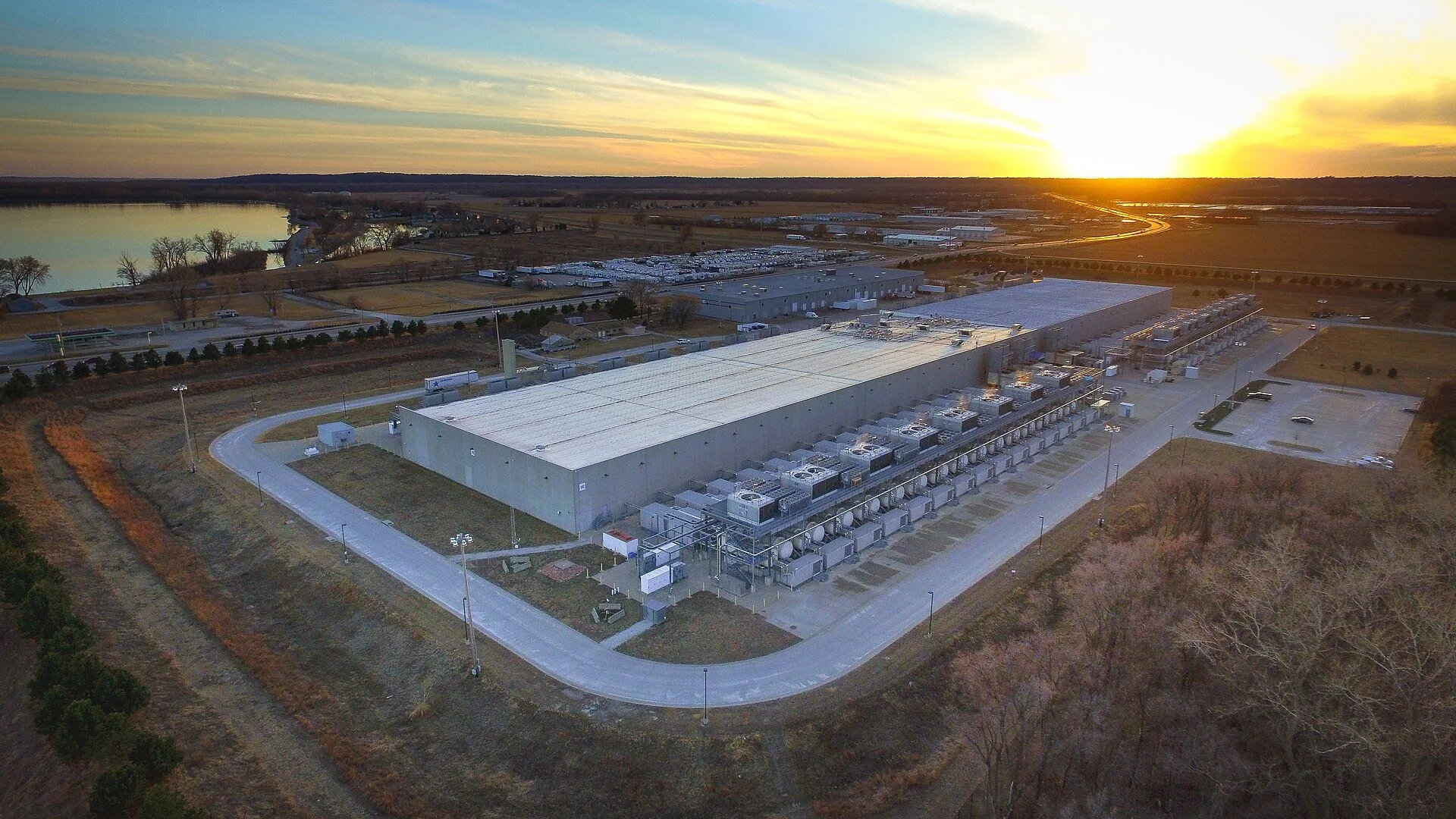
Data center cooling tower array
Lessons from Process Industries
The chemical process industry – commodity chemicals, oil refining, bioprocessing, etc. – is an interesting comparable. This industry only exists because thermal resources are reused throughout a facility. A steam loop, for example, recycles hot water back to the steam boiler, drastically reducing the amount of natural gas to maintain temperature. This completely changes unit economics. In fact, we probably wouldn’t have a chemicals industry if we weren’t able to minimize the amount of input energy needed to drive the intense heating and cooling of reaction systems. We build chemical reactors that are the size of buildings because that scale is achievable with manageable amounts of energy inputs.
Waste heat recovery gives the opportunity to reuse incident power expenses to begin to cover the impact of ancillary power infrastructure. Recycling waste heat back to power has many significant economics impacts:
More power is available for additional compute or for non-IT systems (higher revenues)
Cooling loads are reduced, minimizing cooling energy (lower costs)
High operating temperatures are possible (more efficient operations)
When taken to its furthest opportunity, recovering waste heat to generate power is missing piece that, when adopted, would make metrics like PUE obsolete. Facility economics drastically improve making new operating options become realistic.
Given the industry’s rapid changes, there’s little room to contemplate new operating paradigms. This is at the industry’s peril – the economics of AI ‘manufacturing’ is challenging and may require a different path forward. Those who begin to embrace this challenge may ultimately be the winners of this generation.